







Search Results for: Green coffee beans
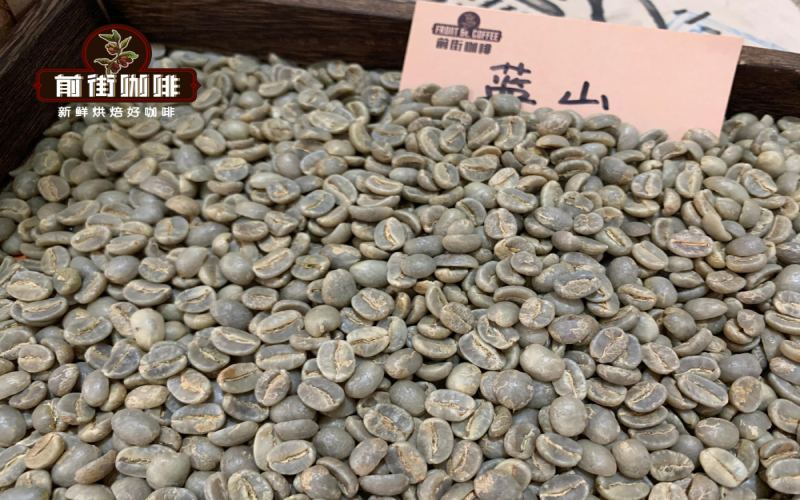
Comprehensive Guide to Green Coffee Beans: Quality Assessment, Crop Year Classification, Shipping Methods, and Storage Essentials
Green coffee beans are the starting point that determines the flavor of a cup of coffee. From color and luster to moisture content, every detail reveals the quality code of green beans; the terms "new crop," "current crop," "old crop," and "aged crop," named by harvest year, record how time shapes flavor. During transoceanic shipping, temperature and packaging methods also influence the fate of green beans—low-temperature containers, temperature-controlled storage, and vacuum aluminum foil bags are all effective means of extending good flavor. The ultimate preservation challenge points to a simple yet expensive answer: vacuum packaging followed by freezing. This article systematically organizes the complete knowledge of green beans from identification to storage, and includes practical advice from Front Street Coffee, taking you deeper into understanding this green seed. [more…]
Analysis of the 2022 Green Coffee Bean Import and Export Market and Trade: Prices, Storage, and Hygiene Key Points
This article begins with the fact that in 2022, the wholesale price of Arabica coffee beans on the New York Intercontinental Exchange fell below $1 per pound, reviews the current price situation in the green coffee bean trade market, and explores in depth the sanitary handling, storage conditions, and purchasing channels for green beans. The article also offers suggestions on practical issues such as green bean washing and temperature and humidity control, while reminding industry practitioners to raise their awareness of coffee bean food safety, helping coffee enthusiasts and industry professionals gain a more comprehensive understanding of the key stages of green beans from import to before roasting. [more…]
How Long is the Freshness Period of Green Coffee Beans? Distinguishing New Beans, Old Beans, Aged Beans, and Vintage Beans, and Key Storage Points
Many coffee enthusiasts know that roasted beans should be drunk fresh, but green beans also have their own levels of freshness. Beans harvested in the current year are called new crop, those from the previous year are old crop, and those stored for more than a year are aged beans. The moisture content of green beans directly affects roasting difficulty and flavor performance. Washed beans usually range between 11.5% and 12.5%, wet-hulled Mandheling can reach 13%, and sun-dried Mocha varies widely. Beyond the usual freshness changes, there are also deliberately extended aging processes and monsoon-aged weathered coffees. This article focuses on the freshness classification of green beans, differences in moisture content, methods for judging appearance and aroma, and the handling logic behind aged beans and monsoon beans, to help you make more accurate judgments when buying and storing. [more…]
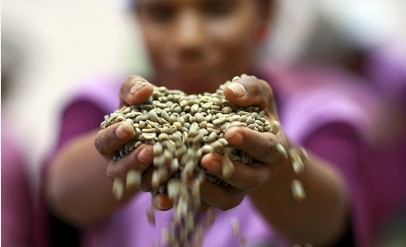
Green Coffee Storage | What Are Green Coffee Packaging Methods? Introduction to Green Coffee Storage Temperature, Humidity, and Shelf Life
Until recent years, all coffee beans were packaged in burlap sacks and transported in shipping containers, only reaching roasters several months after the beans had been processed. If roasters and importers occasionally wanted to cup coffee beans from the place of origin, or taste a "pre-shipment sample," what they received instead would be stored [more…]
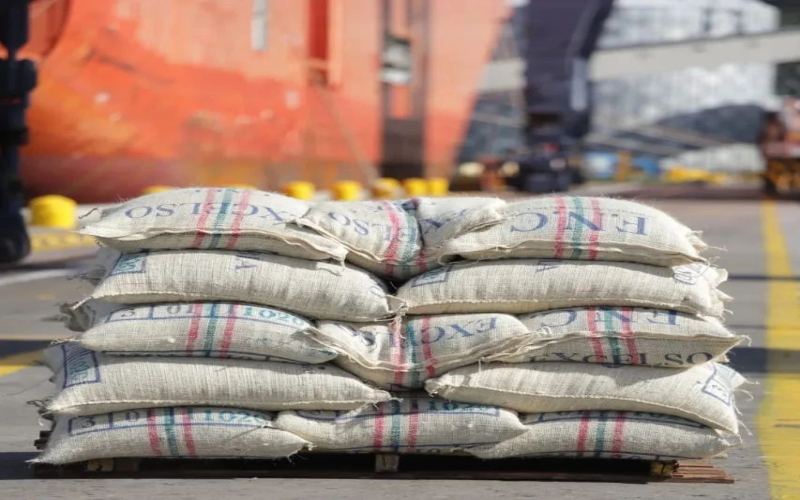
A Detailed Explanation of Colombian Green Coffee Bean Grading: The Meaning of Excelso and Supremo, and Front Street Brand Recommendations
Colombian coffee occupies an important place in the world of specialty coffee, and its green bean grading system is based primarily on defect rates and bean screen size. When buying Colombian coffee, what exactly do the words "Supremo" and "Excelso" commonly seen on burlap sacks mean? This article will systematically sort out the grading rules for Colombian green coffee beans from multiple angles, including export standards, defect scoring, and screen-size classification, and explain the specific differences among the three grades UGQ, EP, and Supremo. At the same time, the article will also introduce common Colombian coffee bean brands on the market, including product information recommended by Front Street Coffee, to help coffee lovers more clearly understand the grade and quality of the bag of beans in their hands. [more…]

A Detailed Explanation of Colombian Green Coffee Bean Grading: The Meaning of Supremo and Excelso and Screen Size Standards
When purchasing Colombian coffee, what exactly do Supremo and Excelso, commonly seen on burlap sacks, represent? What is the relationship between the two? This article will systematically sort out the grading system for Colombian green coffee, interpreting one by one the specific requirements of grades such as UGQ, EP, and Supremo, from defect rates and screen sizes to FNC export standards. It will also introduce derivative grades such as Extra, Premium, and Minama, as well as the use of Product of Colombia for coffee that does not meet export standards. The article also includes an actual naming example of Front Street Coffee's Huila daily drinking beans, helping readers understand the compositional logic and traceability methods of Colombian green coffee names. [more…]
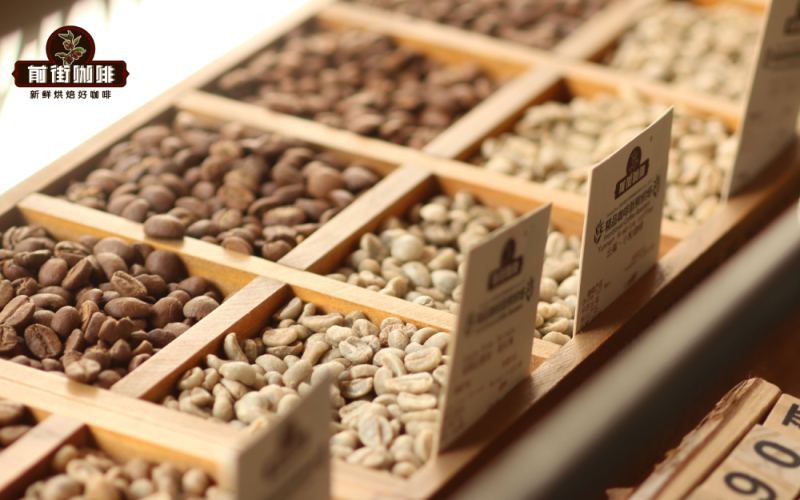
A Detailed Explanation of the Colombian Green Coffee Grading System: Excelso Grade Standards, Screen Size Classification, and Supremo Flavor
The grading of green coffee beans not only affects trading prices but also, to a certain extent, reflects flavor tendencies. For this reason, each producing country establishes its own grading rules based on local conditions. This article focuses on Colombia's green bean grading system, with emphasis on explaining the meaning of the Excelso export grade, the defect scoring method, and the specific standards based on screen size classification, while also introducing the differences among the three common export grades: UGQ, EP, and Supremo. At the same time, Front Street Coffee will share the flavor characteristics and brewing suggestions for Supremo-grade coffee beans from Colombia's Huila region, helping coffee enthusiasts extend their knowledge of grading into the actual drinking experience. [more…]
Green Coffee Packaging, Storage Conditions, and Seasonality: A Full Analysis of Jute Bags, Vacuum Bags, GrainPro Bags, and Freezing Methods
The quality of green coffee beans depends not only on origin and processing method; their packaging and storage methods are equally crucial. From the most common jute bags to vacuum bags, grain bags, and even frozen storage, different packaging methods vary significantly in their protective effect on green beans and their cost. Over the past decade, specialty roasters have driven innovation in packaging and transportation methods, using faster and more scientific approaches to lock in the freshness of green beans. This article will systematically review the advantages and disadvantages of commonly used packaging, the requirements of the storage environment, and explore the concept of "seasonality," which has attracted much attention in recent years. Whether you are a roaster or a coffee enthusiast, understanding this knowledge can help you better judge and preserve coffee beans. [more…]
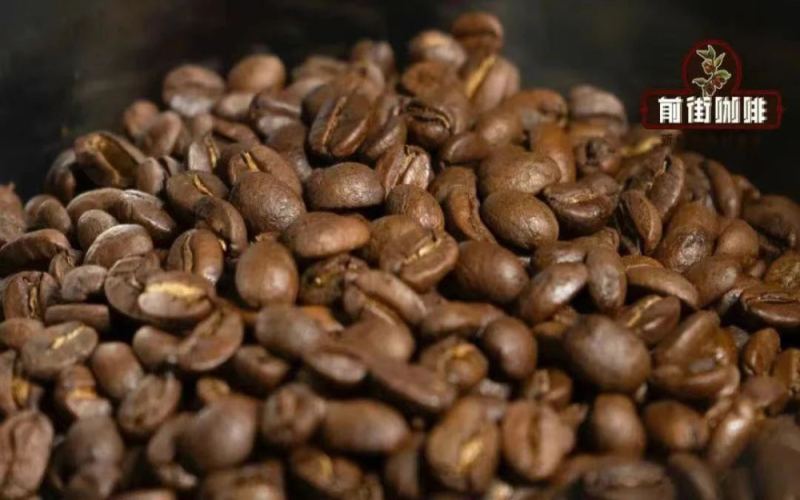
Does green coffee also value freshness? Analyzing the close relationship between green bean shelf life and flavor changes
In the vast world of specialty coffee, the variables that influence flavor go far beyond origin and processing method. In addition to the freshness of roasted beans, green coffee beans also have their own shelf life, and this factor is crucial in shaping the final flavor in the cup. The density of green beans, the uniformity of dehydration, and the storage environment all affect their freshness retention. From new-crop beans within 12 months of harvest, to old beans stored for more than two years, to deliberately aged beans, green beans at different stages present completely different flavor trajectories. Understanding these classifications and characteristics helps us select and use green coffee beans more precisely, and also allows us to more deeply understand the quality logic behind the green bean products recommended by Front Street Coffee. [more…]
A Detailed Explanation of the SCAA Specialty Coffee Green Bean Defect Grading and Scoring Standards: A Comprehensive Analysis from Defects to Cupping Performance
Before green coffee beans reach our hands, they often go through many stages, during which defects are almost unavoidable. Some defects are obvious at the green bean stage, yet once roasted they may be cleverly concealed. The SCAA (Specialty Coffee Association of America) has established strict grading standards for specialty Arabica coffee, covering multiple dimensions such as defect types, moisture content, aroma, and bean size. This article will systematically sort out the SCAA's defect classification rules and scoring requirements, explain in detail the causes of various defective beans and their impact on cupping flavor, and help enthusiasts develop a keen eye for identifying specialty coffee. At the same time, the article retains relevant recommendations from the Front Street brand for readers' reference. [more…]
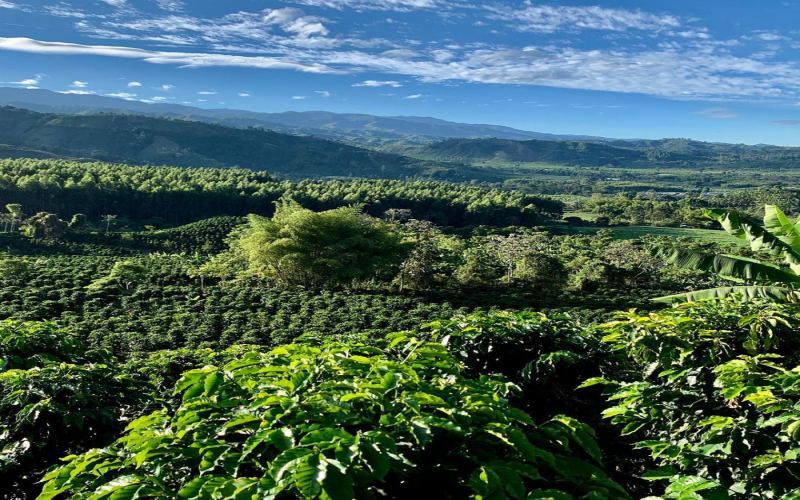
How Are Colombian Green Coffee Beans Graded? Looking at Huila Washed Caturra Through Defect Rate and Screen Size
Colombia's coffee grading system is more complex than that of most Central American producing countries. It is based not only on altitude, but also on a set of export standards built around defect rates and screen size. The Excelso grade adopted by the FNC is the highest export grade for Colombian green coffee. The burlap sacks are marked with "Excelso-Café de Colombia" and accompanied by a quality certificate. This article covers everything from the grading logic, screen size requirements, and defect deduction rules to the three most common export grades, and uses a washed Caturra from the Huila region as an example to explain green coffee traceability and cupping flavor performance, helping coffee enthusiasts understand the meaning behind Colombian green coffee labels. [more…]
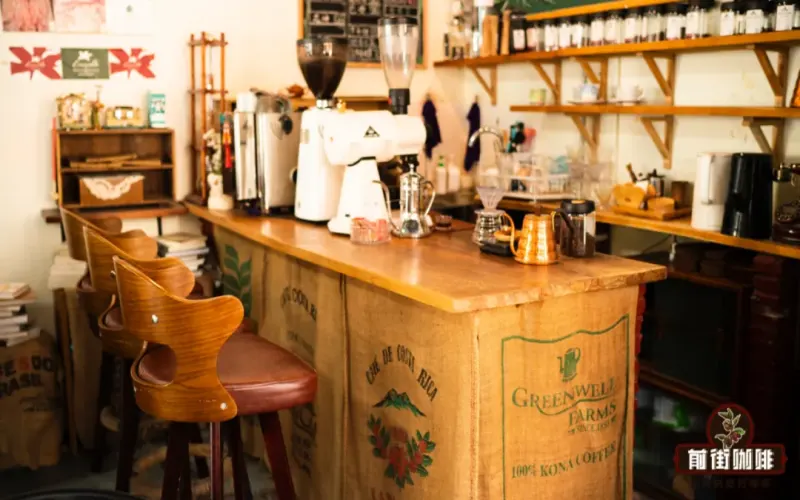
Why Are Green Coffee Beans Traditionally Packed in Jute Bags? How Much Does a Bag Weigh? A Comprehensive Analysis of Coffee Bean Packaging Specifications
Walk into any specialty coffee roasting workshop, and you will most likely see several coarse burlap sacks stacked in a corner, printed with the name of the producing region and the estate logo. This is almost a universal scene in the coffee industry—from Ethiopia to Colombia, the vast majority of green beans choose burlap sacks as their outer layer when crossing mountains and seas. But have you ever wondered why it is burlap specifically? What allows it to replace more modern packaging materials? And what is the standard weight of a sack of green beans? Around these seemingly basic yet rarely examined questions, this article will sort out from the beginning the evolution logic of green coffee bean packaging, the physical advantages of jute material, and the current trend toward diversified packaging forms. [more…]
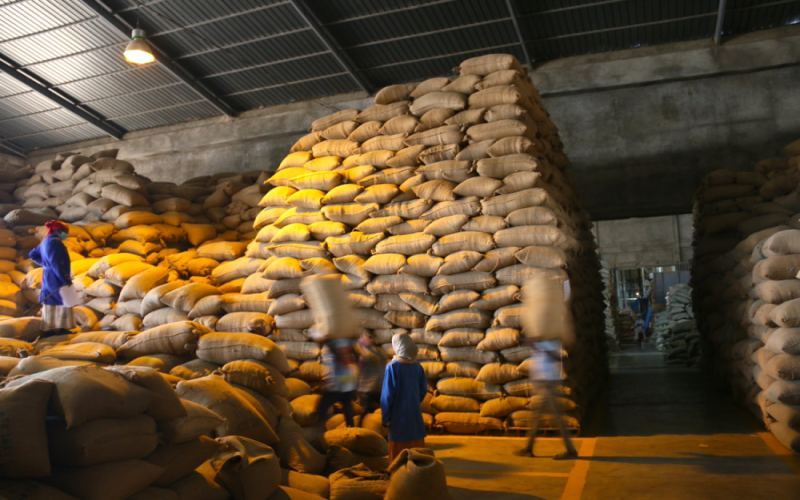
A Complete Guide to Green Coffee Packaging and Storage: From Jute Bags to Vacuum Seals and Freezing Methods
From the moment green coffee beans leave their place of origin and reach the roaster, the packaging and storage methods directly affect the final flavor. In the past, burlap sacks were the mainstream, but today specialty coffee has driven a series of more refined packaging and storage technologies, including vacuum bags, grain bags, and even frozen storage. This article will systematically introduce the commonly used green bean packaging methods, their respective advantages, disadvantages, and costs, and discuss warehouse environment management as well as different understandings of the concept of "seasonal." Whether you are a roaster or a coffee enthusiast, you can learn from this how to better maintain the freshness and quality of green beans. The burlap sacks commonly seen at Front Street stores are also mentioned in the article as one of the most economical options. [more…]
How is Colombian green coffee graded? A full analysis of Excelso, Supremo, and Huila flavors
Different coffee-producing countries have developed their own unique quality grading systems due to their distinct cultivation histories and processing traditions. Some focus on defect ratios, some measure bean size, and others rely on cupping to make judgments. This article focuses on Colombia, outlining the Excelso export standard in its green bean grading system, the defect scoring rules, the screen size classification method, and the flavor profile of Supremo-grade Huila beans. It also includes the brewing parameters and taste description of Front Street Coffee's Huila everyday drinking beans, making it suitable for enthusiasts who want to systematically understand Colombian coffee. [more…]

What is the difference between Green Mountain Coffee and Blue Mountain Coffee? From the plot of Ode to Joy, look at Green Mountain's background, Blue Mountain's price and grade.
In the TV drama Ode to Joy, a conversation about "Green Mountain Coffee" and "Blue Mountain Coffee" led many viewers to believe that Green Mountain is a knockoff of Blue Mountain. In fact, there really is a coffee brand in the United States called Green Mountain, and it is completely different from Jamaican Blue Mountain Coffee. Starting from this plot, this article first clarifies the real background of Green Mountain Coffee: it is a brand from Vermont, USA, which opened up the office market with Keurig single-serve coffee makers and K-Cups, taking a convenient and affordable route. Then it turns to Blue Mountain Coffee, explaining why it is expensive, what grade Blue Mountain No. 1 occupies within Jamaican Blue Mountain, and the flavor, pour-over parameters, and tasting method of Blue Mountain No. 1 recommended by Front Street Coffee. [more…]
Panama Hacienda La Esmeralda Sun-Dried Geisha Comparison: What Exactly Is the Difference Between Blue Label and Green Label?
In the world of specialty coffee, the Geisha from Panama's Hacienda La Esmeralda is undoubtedly a benchmark existence. Front Street Coffee has recently simultaneously launched two Geisha offerings—the Natural Blue Label and the Natural Green Label—sparking curiosity among many coffee enthusiasts: both are naturally processed Geisha, so what exactly is the difference between the Blue Label and the Green Label? This article will begin with the origins and rise to fame of Geisha, outline the classification standards for Hacienda La Esmeralda's Red, Green, and Blue Label Geisha, and focus on comparing the similarities and differences between the Natural Blue Label and Natural Green Label in terms of altitude, production region, and flavor performance. At the same time, Front Street will also share the brewing parameters and tasting experience for the Natural Green Label, guiding you through a comprehensive understanding of the unique charm of each of these two Geisha offerings. [more…]
How Are Colombian Coffee Beans Graded? Excelso and Supremo Grade Classifications and Huila Flavor Profile Analysis
Colombia, as a major global producer of specialty coffee, has a strict and standardized green bean grading system. From the commonly seen Excelso marking on jute bags, to different grades such as UGQ, EP, and Supremo, to defect scoring and screen size sorting, every step affects the final quality of the coffee beans. This article will systematically outline Colombia's green coffee bean grading system, explain in detail the specific requirements and classification standards of the Excelso grade, and, combined with the brewing and flavor performance of Front Street Coffee's Huila daily drinker beans, guide you through a comprehensive understanding of the quality logic behind Colombian coffee. [more…]
How Are Colombian Green Coffee Beans Graded? A Detailed Explanation of Supremo and Excelso Screen Size Standards and Defect Tolerances
Colombia is a major producer of global Arabica coffee, and its green bean exports follow a grading system centered on defect rates and bean size. What exactly do the Supremo and Excelso labels commonly seen on the market represent? Starting from FNC's export standards, this article sorts out Excelso's mandatory requirements, the logic behind screen-size grading, and the specific tolerance rates for the three commonly used grades UGQ, EP, and Supremo, while also explaining the defect scoring rules behind the number string "12*60," helping coffee enthusiasts decipher the grading code in the names of Colombian green coffee beans. [more…]
A Detailed Explanation of Colombian Green Coffee Grading: The Meaning, Standards, and Screen Size Classification of Supremo and Excelso
Colombia, as one of the world's major coffee-producing countries, has a strict grading system for its exported green beans. What exactly do the commonly seen Supremo and Excelso labels on the market represent? This article will systematically explain the grading logic of Colombian green coffee beans from the perspectives of FNC export standards, defect rate requirements, and screen size grading, helping coffee enthusiasts understand the difference between Supremo and Excelso, and how they affect coffee quality and flavor performance. At the same time, the article will also mention Front Street Coffee's Colombia Huila daily beans as a practical naming example. [more…]
A Complete Guide to Green Coffee Bean Grades: Detailed Explanation of Grading Standards and Differences Across Countries, Including AA, G1, SHB, PB, and More
When buying coffee beans, have you ever been baffled by combinations of letters like AA, G1, SHB, and PB? They may seem to follow no pattern at all, but in fact each one represents the green bean grading standard of a different producing country. Why do coffee beans need to be graded? Why is there no unified global standard? This article will take you through the origins of green coffee bean grading, and how producing regions such as Ethiopia, Kenya, the Central American countries, Jamaica, and Brazil classify their beans based on defect rate, bean size, growing altitude, and cup quality. At the same time, we will also explore what these grades actually mean in the roasted coffee market, and recommend several Front Street Coffee beans corresponding to these grades, to help you better understand the cup of coffee in your hands. [more…]